



Five Ways to Extend the Life of Your Down Quilt
The Longevity of Luxury: Five Ways to Extend the Life of Your Down Quilt
Investing in a high-quality down quilt is one of the most significant upgrades you can make to your sleep environment. Whether it is filled with duck down or the premium loft of Polish goose down, a quality quilt is a natural, breathable, and remarkably durable insulator. However, because down is an organic material, its longevity is entirely dependent on how it is maintained. In the Australian climate where humidity levels vary wildly between the tropical north and the dry south, proper care is essential to prevent the delicate plumules from collapsing or becoming brittle. If treated with professional care, a premium down quilt can easily provide comfort for fifteen to twenty years. Below are five fundamental strategies to ensure your investment remains as lofty and warm as the day you unboxed it.
1. Protection Through Breathable Layering
The primary enemy of a down quilt is not wear and tear, but rather the accumulation of body oils, perspiration, and skin cells. These substances penetrate the quilt casing and coat the down clusters, causing them to clump together and lose their "loft": the ability to trap air and provide warmth. To extend the life of your quilt, a high-quality quilt cover is non-negotiable. Ideally, choose a cover made from long-staple cotton or linen with a high thread count. These natural fibres allow the down to "breathe," preventing moisture from being trapped within the casing, which can lead to mildew or a stale odour. In Australia’s warmer months, ensure your bedroom is well-ventilated to prevent excessive perspiration from saturating the quilt, as salt crystals from sweat can eventually abrade the delicate down filaments.
2. Understanding the Fill: Duck Down vs. Goose Down Care
While the general care principles remain the same, understanding the structural differences between duck and goose down can help you tailor your maintenance. Goose down clusters are typically larger and more resilient than duck down clusters. This means a goose down quilt generally has a higher fill power and can withstand more compressions over its lifetime. Duck down, while still an excellent insulator, contains slightly more natural oils and has a different protein structure. Consequently, duck down quilts may require more frequent "airing out" to neutralise natural scents, especially in humid coastal regions. Regardless of the species, the "down-proof" ticking (the outer fabric shell) must be kept intact. If you notice small feathers escaping, do not pull them out; this enlarges the hole. Instead, reach through from the underside and pull the cluster back into the quilt, then gently massage the fabric threads back together.
3. The Art of the Daily Refluff and Weekly Airing
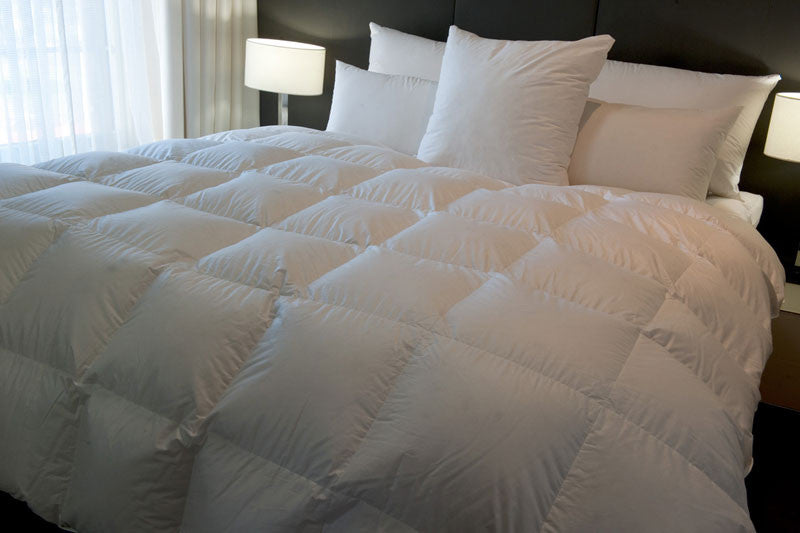
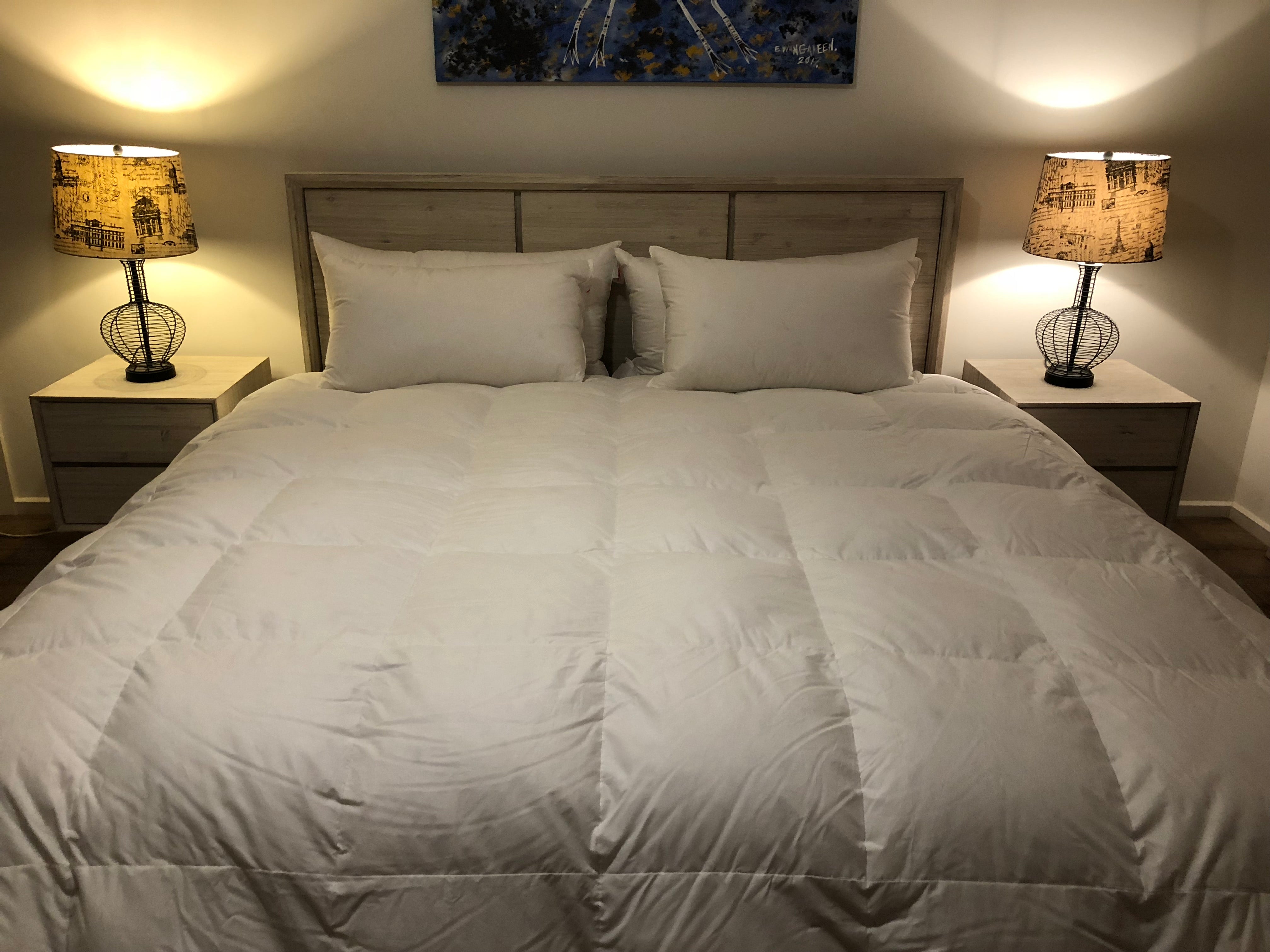
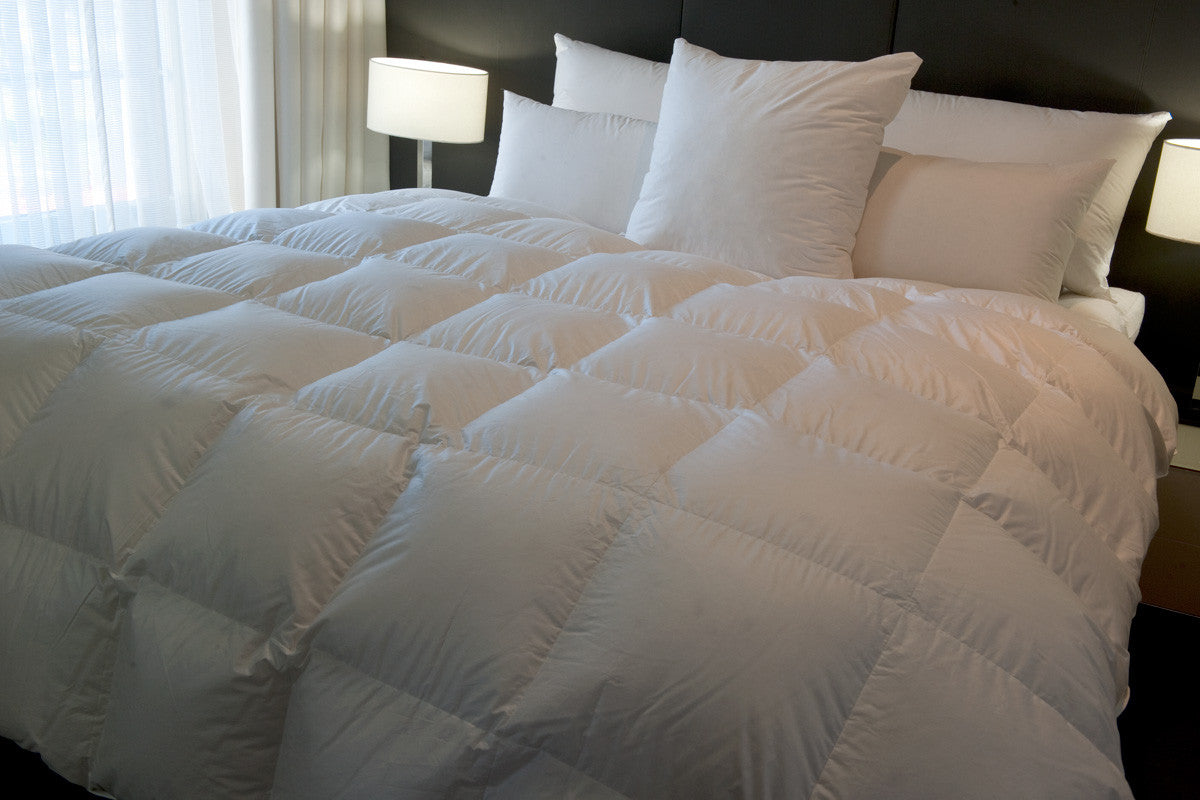
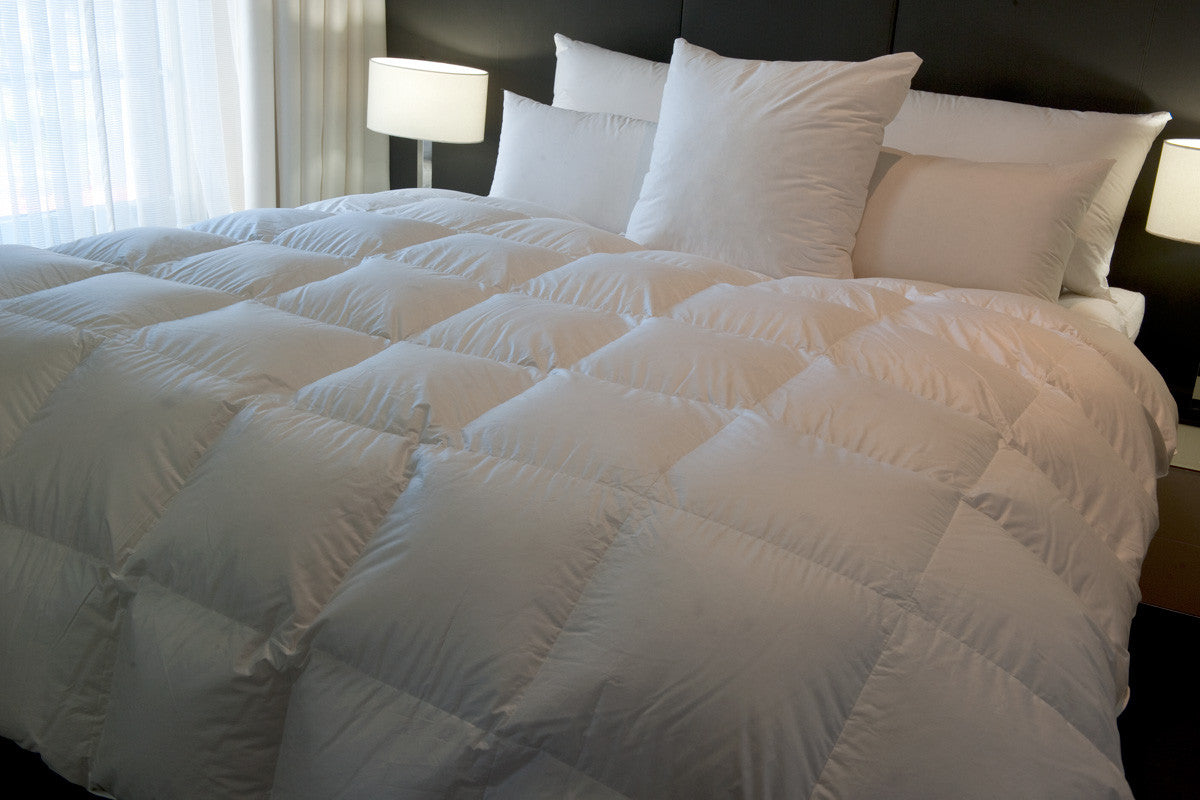
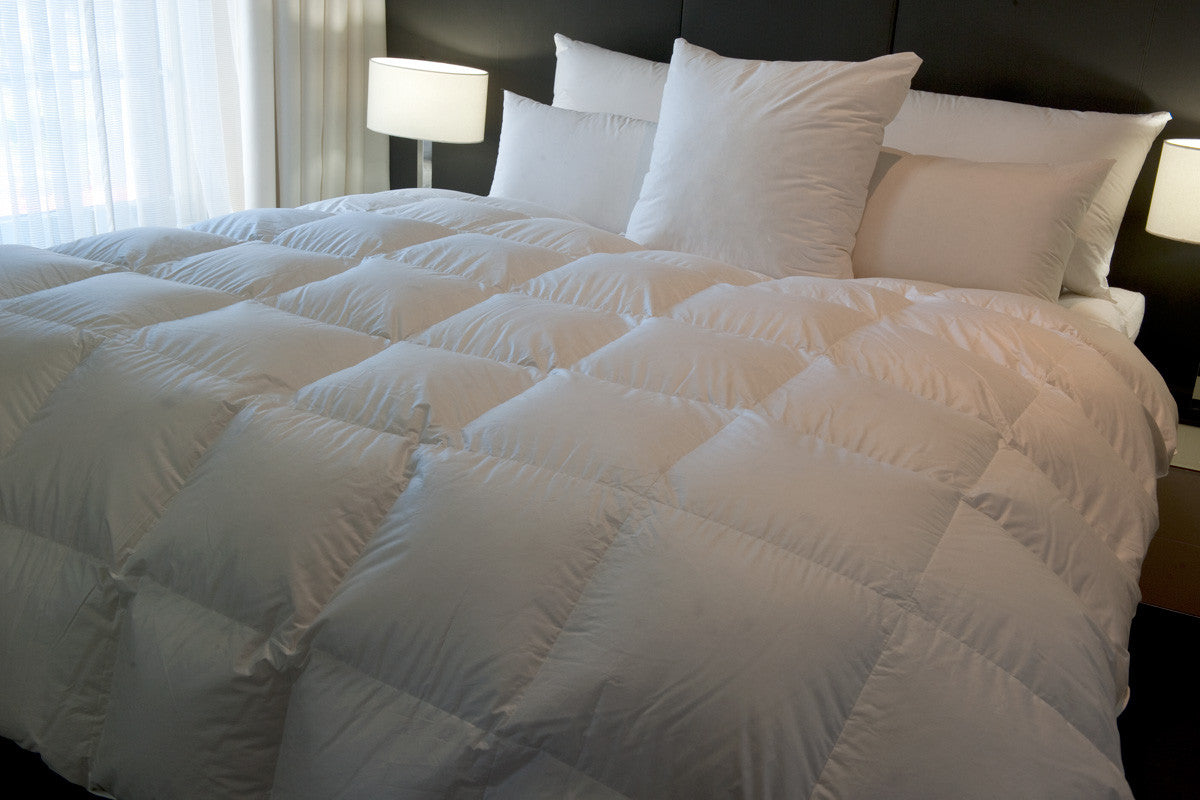
The simplest way to extend the life of your quilt is a daily ritual of "refluffing." When you make your bed each morning, give the quilt a vigorous shake from different sides. This redistributes the down clusters within the baffles (the stitched internal squares) and introduces air back into the fill. Beyond the daily shake, a weekly airing is vital. In Australia, we are blessed with plenty of sunshine, but you should avoid placing your quilt in direct, harsh midday sunlight for extended periods, as UV rays can make the cotton ticking brittle and dry out the natural oils in the down. Instead, hang it in a shaded, well-ventilated spot on a dry day. This allows any residual moisture trapped deep within the baffles to evaporate, restoring the down's natural elasticity and volume.
4. Professional Cleaning and Strategic Washing
One of the most common ways people ruin down quilts is through over-washing or using the wrong detergents. You should aim to wash your down quilt only once every three to five years, provided you use a cover. When it is time for a clean, avoid standard supermarket detergents; these contain harsh enzymes and degreasers designed to strip oils from clothing, which will also strip the essential natural oils from the down, making it brittle and prone to shattering. Use a specialised "down wash" or a pH-neutral wool wash. If your home washing machine is a top-loader with a central agitator, do not attempt to wash the quilt at home, as the agitator can tear the internal baffles. Use a large-capacity front-loader or, preferably, take it to a professional laundry service experienced in bulk bedding. Ensure the quilt is rinsed thoroughly; any soap residue will cause the down to clump and lose its thermal efficiency.
5. The Critical Drying and Storage Process
The most dangerous part of cleaning a down quilt is the drying phase. If down is left damp, it will develop mould and mildew within hours, rendering the quilt unsalvageable. To properly refluff and dry the quilt, use a commercial-sized dryer on a low-heat setting. Add three or four clean tennis balls or specialised dryer balls into the drum; as they tumble, they physically beat the clumps of down apart, ensuring the fill is evenly distributed and fully lofted. This process can take several hours. When the season changes and you need to store your quilt, never use vacuum-seal bags. Compressing down for months on end can permanently damage the structure of the clusters, preventing them from ever fully "rebounding." Instead, store the quilt in a breathable cotton bag in a cool, dry cupboard where it has room to remain somewhat lofted.
Key Features of a Well-Maintained Down Quilt
|
Feature |
Benefit |
|
High Fill Power |
Indicates superior loft and better insulation-to-weight ratio. |
|
Baffle-Box Construction |
Internal fabric walls that keep down from shifting to the edges. |
|
Down-Proof Ticking |
High-density weave that prevents down clusters from leaking out. |
|
Breathability |
Allows moisture to escape, preventing the "clammy" feeling during sleep. |
|
Loft Recovery |
The ability of the down to bounce back to its original shape after compression. |
Expert Suggestions for the Australian Sleeper
From a professional standpoint, there are two factors often missed in the care of down bedding. First is the impact of humidity management. If you live in a tropical or sub-tropical climate (like Queensland or the Northern Territory), I recommend using a dehumidifier in the bedroom during the wet season. Excessive ambient moisture can settle in the down, making the quilt feel heavy and less "crisp." Second is the rotation of the quilt. Most people sleep with the quilt in the same orientation every night. By rotating the quilt 180 degrees every time you change the linens, you ensure that the wear and tear from body contact and movement is evenly distributed across the entire surface area of the baffles.
Frequently Asked Questions
1. How do I know when my down quilt has reached the end of its life?
If you find that the quilt remains flat even after a professional clean and refluff, or if you notice "cold spots" where the down has disintegrated into dust inside the baffles, it is time for a replacement. A "leaking" quilt that constantly sheds fine dust is also a sign the down clusters have broken down.
2. Can I dry clean my down quilt?
It is generally not recommended. The chemicals used in traditional dry cleaning (like perchloroethylene) can be too harsh for natural down. "Wet cleaning" or professional laundering with down-specific soaps is the safer, more effective method.
3. Why does my new down quilt have a slight smell?
Natural down, especially duck down, may have a faint organic scent when first removed from packaging.7 This is normal. Airing the quilt in a dry, shaded area for 24 to 48 hours will typically dissipate any lingering odours.
4. Are down quilts suitable for people with allergies?
Most "down allergies" are actually reactions to dust mites or poorly cleaned down. Look for quilts with "Ultra-Fresh" or similar anti-microbial treatments and ensure the down has been cleaned to high international standards (Oeko-Tex) during manufacturing.
5. Is goose down really worth the extra cost over duck down?
In terms of longevity, yes. Goose down clusters are stronger and larger, meaning they maintain their loft for more years and provide more warmth with less weight. For long-term value, goose down is the superior investment.
Related Posts

Should Quilts Be Professionally Cleaned

Does German Batiste Make Quilts Lightweight

How often Should Down Pillows be Refluffed

Can Moisture Damage Down Quilts?

How Often Should Down Quilts Be Aired In The Sun

What is the lifespan of cheap vs premium down quilts?
