


What is the difference between a duvet and a comforter?
Choosing the right bedding can be confusing, especially when terms like "duvet," "comforter," "quilt," and "doona" are used interchangeably in bedding stores and online. In Australia, the distinction often blurs, but understanding the core difference is key to finding the perfect sleep solution for your home. Simply put, the fundamental difference lies in their covering: a duvet is designed to be used with a removable, washable cover (a duvet cover), while a comforter is a finished, single piece of bedding that is typically used without a cover and washed whole. This key distinction affects everything from cleaning and warmth to styling and longevity.
Frequently Asked Questions
Q: Can I use a duvet cover on a comforter?
While technically possible, it's generally not recommended. Comforters are usually thicker and often have different dimensions and edges, making it difficult to properly fit and secure a duvet cover. Using a cover on a comforter can also lead to poor thermal regulation and uncomfortable bunching, ultimately negating the benefits of both items.
Q: Which option is easier to clean?
A duvet is significantly easier to manage for regular cleaning. You simply remove the duvet cover, which fits easily into a standard washing machine, and wash the insert (the actual duvet) only seasonally or when heavily soiled. Comforters, being single, large items, often require commercial washing machines or expensive dry cleaning, which adds to the long-term maintenance cost.
Q: Are duvets or comforters generally warmer?
The warmth, or 'tog rating,' depends entirely on the fill material and construction, not whether it’s a duvet or a comforter. However, because duvets are used with covers, you can easily layer a flannel or heavier cover in winter, adding a slight boost in warmth and customisation that isn't possible with a single, fixed-weight comforter.
Q: What is the typical Australian standard for sizing?
In Australia, the standard sizing terminology (Single, Double, Queen, King, Super King) applies to both duvets and comforters. The precise dimensions are often slightly different from US or European standards, so always measure your bed and check the dimensions on the packaging before purchasing an insert or cover to ensure a perfect fit for Australian bed frames.
Q: Does a comforter always look flat?
Not necessarily. While comforters often have a flatter profile than a freshly fluffed duvet, their construction typically box-stitched or channel-stitched is designed to keep the fill evenly distributed, preventing clumping and maintaining a moderately plush appearance over the entire bed.
Key Features to Consider
Making an informed decision about your bedding requires weighing up practicality, budget, and desired aesthetics. Here are the key factors any discerning shopper should consider before making a purchase.
-
Ease of Style Change: Duvets offer unparalleled aesthetic flexibility, allowing you to completely change your bedroom décor simply by swapping out the cover, which is a budget-friendly way to refresh your space without replacing the expensive internal filler.
-
Maintenance Cost: Consider the long-term cost of washing. Weigh the frequent, affordable laundering of a lightweight duvet cover versus the infrequent, expensive dry-cleaning or commercial washing required for a large, heavy comforter.
-
Fill Material Durability: Look for high-quality natural fills like feather, down, or wool, which are often found in quality duvets and retain their loft and insulating properties for decades, significantly outlasting cheaper synthetic alternatives found in budget comforters.
-
Baffle Box Construction: For either choice, ensure the stitching creates distinct, small compartments (baffle boxes) to prevent the internal fill from shifting, guaranteeing consistent warmth and preventing ‘cold spots’ across the entire bed.
-
Hypoallergenic Options: If you suffer from allergies, check for a high-quality, densely woven cotton or bamboo outer casing and choose synthetic microfibre or specific treated natural fibres to minimise dust mite and allergen build-up.
-
Layering Needs: Evaluate your climate. If you need to easily adjust your bedding for different seasons from hot, humid summers to frosty winter nights the inherent layering system of a duvet (insert + cover) provides more thermal flexibility than a fixed-weight comforter.
Understanding the Core Differences Between Duvets and Comforters
The clearest and most practical difference between a duvet and a comforter, especially for the Australian homeowner, is functional: a duvet is a thick, plain filler that requires a separate, removable cover for protection and style, whereas a comforter is an all-in-one, decorated piece of bedding that is ready to use straight off the shelf. Choosing between the two means deciding whether you prefer simplicity and immediate use (comforter) or long-term versatility, easy laundering, and supreme customisation (duvet). Making the right choice is essential for comfort and longevity. Supreme Quilts offers expertly crafted options in both categories, ensuring quality sleep regardless of your preference.
At a Glance: Key Functional Differences
For a quick summary, here is a breakdown of the core structural and usage differences between a duvet and a comforter, helping you quickly identify the best fit for your sleeping style and cleaning routine.
Duvet
-
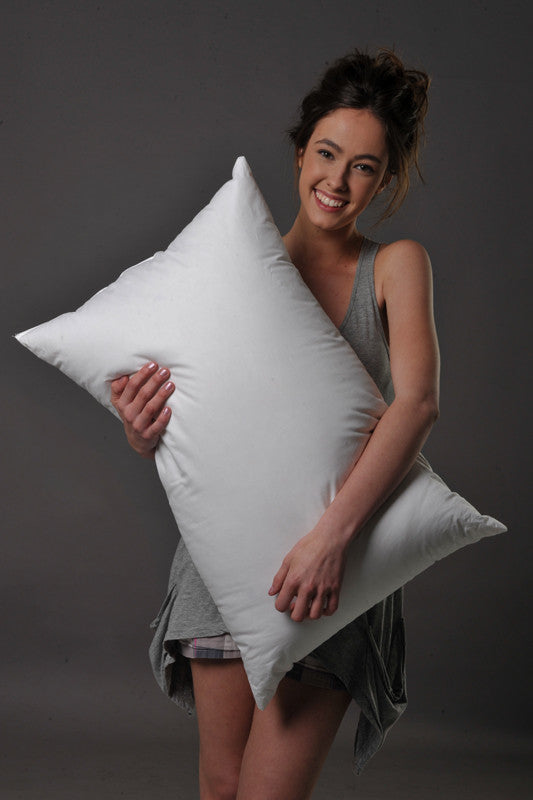
Structure: A two-part system consisting of a plain, fluffy insert (like a large pillow) that fits inside a separate, removable, and washable cover.
-
Pros: Exceptional ease of washing (just the cover), total style flexibility (swap covers for a new look), and high warmth potential with various fill options, making it ideal for layering.
-
Cons: Can be slightly cumbersome to initially fit the insert into the cover, and the insert may occasionally shift or bunch inside its casing.
-
Best For: Versatility, superior cleaning convenience, achieving significant loft and warmth, and a contemporary, customisable bedroom look.
Comforter
-
Structure: A one-piece, decorative item with the filling permanently sewn inside a quilted or patterned shell, ready for immediate use.
-
Pros: Utmost simplicity (no cover needed), wide availability in various patterns and colours, and offers reliable, mid-range warmth without needing layers.
-
Cons: Washing the entire heavy, bulky item can be challenging and often requires specialised, large-capacity or commercial washing machines, or professional dry-cleaning.
-
Best For: Simplicity, immediate use, achieving a classic or coordinated bedding look, and often a practical choice in warmer climates where extreme insulation isn't required.
The structure of the bedding determines its long-term maintenance: A duvet is a two-part system (insert + washable cover), whereas a comforter is a single, decorative, quilted piece (all-in-one).
Cover System And Cleaning
The cover system is the single greatest point of divergence and the most critical factor for day-to-day usability. A duvet bedding system functions much like a pillow and pillowcase, providing a simple, elegant solution for hygiene. The duvet itself is the plain, often white, insulated insert, and the duvet cover is the fabric envelope that slides over it. This cover bears the responsibility for all aesthetic appeal, and critically, for cleanliness. When it's time to wash, you strip the cover, throw it in the machine, and easily put it back on, keeping your sleep environment fresh. The actual duvet insert rarely needs washing perhaps once or twice a year, or only if an accident occurs. This is a massive advantage in terms of domestic convenience, time-saving, and preservation of the inner fill, which can be damaged by frequent washing. Comforters, conversely, are typically sold as finished items, often with decorative stitching or patterns. Because they are meant to be used without an outer layer, the entire comforter must be washed when it gets dirty, which can be an enormous task. Their sheer size and bulk mean they often won't fit into a standard home washing machine, necessitating a trip to the laundromat's commercial-sized units or, more commonly, expensive dry cleaning services. This difference in maintenance is a major factor in the long-term cost and environmental impact of your bedding choice, and it's why many time-poor Australians prefer the ease of the duvet cover system.
Warmth Customisation
While the inherent warmth of any bedding is governed primarily by the fill material (like goose down, wool, or synthetic microfibre), the duvet system inherently provides far more opportunities for customisation of temperature, leading to superior thermal regulation. A high-quality duvet insert is often rated by its 'tog' value a European standard indicating its thermal efficiency allowing consumers to purchase a dedicated summer tog (low tog) or winter tog (high tog) insert. Crucially, the duvet cover itself adds a layer of insulation, giving you an extra tool for temperature control. In the shoulder seasons, you might use a lightweight cotton cover. When the temperature drops in the heart of the Australian winter, switching to a heavy flannel or velvet cover can substantially increase the overall warmth without needing a whole new duvet insert. A comforter, however, is a fixed unit with a fixed warmth profile. If it's too warm in autumn, you have no choice but to throw it off; if it's too cold in winter, you must add blankets on top of the comforter, which defeats the simplicity of having a single piece of bedding. The flexibility of the duvet system makes it the more versatile choice for Australia’s varied climates, from the humid summers of Queensland to the frosty nights of Tasmania. For specific advice on matching your bedding to your regional climate, please feel free to contact us today.
Construction And Fill
The internal architecture of the bedding, or the way the insulation is held within the shell, provides another subtle but important difference in longevity and performance. High-quality duvets, particularly those filled with premium down or wool, almost always employ a "baffle-box" construction. Baffle boxes are three-dimensional compartments created by vertical fabric walls connecting the top and bottom layers of the shell. This design is crucial because it allows the fill to fully loft and expand, maximising its insulating power and creating an airier, lighter feel, while preventing the crushing and shifting of the material that causes cold spots. The baffle-box design also ensures the filling remains perfectly in place, guaranteeing consistent insulation across the entire surface over years of use. Comforters, while sometimes using baffle-box construction, more commonly rely on a simpler "sewn-through" or "box-stitch" method, where the top and bottom layers are stitched directly together. This stitching pattern compresses the fill at the stitch lines, which can lead to slightly cooler spots and a generally flatter appearance compared to the plush, cloud-like volume of a baffled duvet. Furthermore, comforters are more often filled with less expensive polyester batting, which is generally quicker to lose its loft and insulating efficiency compared to durable, resilient natural fills like goose down or premium Australian wool. The integrity of the construction directly impacts the lifespan and sustained comfort of the bedding, making the baffle-box the superior choice for investment-grade items.
Weight And Loft Feel
The tactile experience how the bedding feels when you sleep under it is distinctly different between the two categories, influencing your perceived comfort and sleep quality. Duvets, thanks to their focus on maximum loft and minimal weight (especially those filled with high-quality down or lighter wools), are typically light, airy, and fluffy, creating a feeling of floating or enveloping softness. This light weight, combined with high insulation, is highly sought after by those who dislike the feeling of heavy blankets. The lightness is achieved because the insulation comes primarily from the trapped air within the lofted fill, rather than the mass of the material itself. Comforters, particularly those with synthetic fills and sewn-through construction, often feel noticeably heavier and denser. While some people prefer this heavier, ‘grounded’ feel, known as deep pressure stimulation, it can also lead to excessive heat build-up or feeling restricted during the night. For a superior combination of warmth and lightness, the duvet is generally the winner, providing excellent thermal regulation without oppressive pressure on the sleeper, which is especially important for restless sleepers.
Style Flexibility
Aesthetic versatility heavily favours the duvet system. Because the duvet insert is always covered, it can remain a plain white, neutral foundation that never needs to change. The entire look of the bed, and indeed the room, is determined by the duvet cover. A homeowner can possess a single, high-quality duvet insert and have an extensive collection of relatively inexpensive covers, allowing them to rapidly switch between seasons, trends, or moods. This is a practical and economical way to maintain a fresh, updated bedroom décor. Changing a cover is far less cumbersome and cheaper than purchasing and storing multiple complete comforters. Comforters, being single, finished items, are inherently less flexible. They often come with matched pillow shams and are designed to be the only decorative element, meaning that changing the look of the bed requires buying a brand new comforter. This commitment makes comforters a more permanent aesthetic choice, which is fine if you have a set style but restrictive if you enjoy seasonal updates or follow interior design trends. The long-term durability of the internal fill means that a Supreme Quilts duvet insert can last for many years, acting as a lifetime investment that is constantly refreshed by new covers.
Regional Usage And Bedding Norms
While the core product is the same worldwide (a quilt or insulator), the terminology and prevalent usage vary dramatically by region, which is why the Australian context is important. In much of Europe and Canada, the term 'duvet' is almost universal, and the duvet/cover system is the overwhelming standard for all bedding. In the United States, 'comforter' is a very common term, and they are often sold as part of an entire 'bed in a bag' set, offering a quick, convenient, and coordinated bedding solution. Australia sits in the middle, often using 'doona' (a common brand name that became generic) or 'quilt' as catch-all terms for the insert, and 'doona cover' or 'quilt cover' for the removable layer. Due to the high-quality wool and natural fibre industry here, many Australian households prefer the duvet/quilt system for its breathability and ease of laundering the cover, which is highly appreciated during the humid summer months. However, the comforter style (often called a "coverlet" or "bedspread" if lighter) remains a popular choice for guest rooms or for those who simply prefer a more uniform, pre-packaged aesthetic without the task of stuffing an insert into a cover. Ultimately, regardless of the name on the packaging, look for the construction details: if it’s designed to be used with a separate, washable cover, it functions as a duvet. If it’s designed as a finished piece that covers the bed, it’s functionally a comforter. Choose the item that aligns with your lifestyle, climate, and maintenance tolerance, ensuring years of comfortable, restorative sleep.
How does loft affect quilt warmth?
What is the lifespan of cheap vs premium down quilts?
Related Posts

Are -20 Grad Light Down Quilts Real Bedding Ratings?

Choosing a Cooling Quilt for Australian Summers

Down Quilts: Warmth, Construction and Sizes

Down Quilt Buying Guide: Grades, Warmth & Sizes

Warm Quilt Guide: Match the Warmth to Your Climate

How to Choose a Pillow for Side, Back & Stomach Sleepers

Responsible Down Standard vs Downpass: What Differs
